Vulvar Cancer
A comprehensive guide covering symptoms, diagnosis,
and treatment options
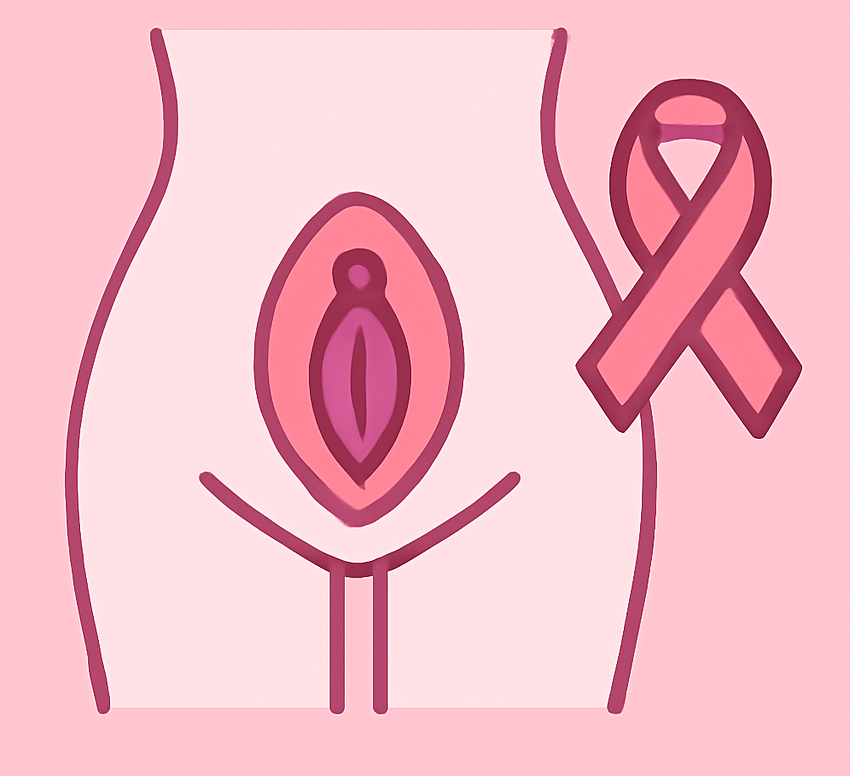
Recognising Symptoms
Vulvar cancer most often affects the labia (skin folds around the vagina), but it can occur anywhere on the vulva.
If you notice any of these symptoms, it's important to see your doctor promptly.
Getting Diagnosed
Diagnosis usually begins with a physical and pelvic exam, followed by specialised tests.
Examination Steps:
Pelvic Exam
Checking the vulva, vagina, uterus, ovaries, bladder, and rectum for abnormalities
Biopsy
Removing a small piece of tissue from the vulva to test for cancer cells
Colposcopy
Using a magnifying instrument to closely examine the vulva
Treatment Options
Treatment depends on the stage, size, and spread of the cancer. Surgery is the most common approach.
Surgery (Primary Treatment)
Radical Wide Local Excision
Removing the cancerous tissue plus a margin of healthy tissue (usually at least 1 cm)
Radical Partial Vulvectomy
Removing a larger section of the vulva (one or both labia, and sometimes the clitoris)
Radical Vulvectomy
Removing the entire vulva, including inner and outer labia, and possibly the clitoris
Additional Treatments
Radiation Therapy
Often used with surgery to destroy remaining cancer cells
Chemotherapy
May be combined with radiation or used for advanced cases
This information is for educational purposes only and should not replace professional medical advice. Always consult with your healthcare provider for personalised medical guidance.