Vaginal Cancer Information
Comprehensive guide covering symptoms, diagnosis, and treatment options for vaginal cancer
Symptoms of Vaginal Cancer
Early vaginal cancer often has no symptoms. As it progresses, signs may include:
- •Unusual vaginal bleeding (after intercourse or after menopause)
- •Watery vaginal discharge
- •A lump or mass in the vagina
- •Painful urination
- •Frequent urination
- •Constipation
- •Pelvic pain
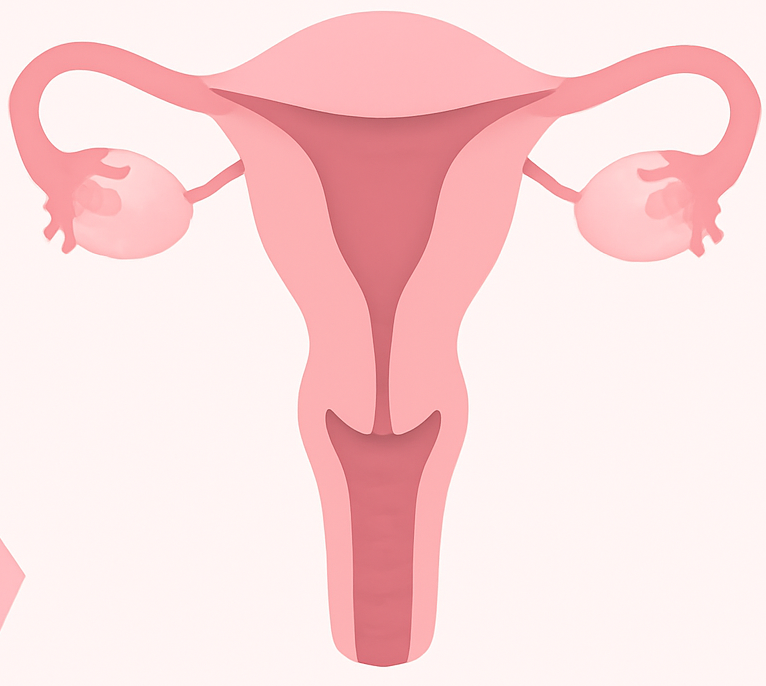
Routine pelvic exams are important for early detection.
Diagnosis of Vaginal Cancer
Vaginal cancer may be detected during a routine pelvic exam before symptoms appear.
Diagnostic steps may include:
Pelvic exam – Inspection of the vagina, cervix, uterus, and ovaries using a speculum and manual examination
Pap test – Primarily for cervical cancer, but may also reveal vaginal cancer cells
Colposcopy – Magnified examination of the vaginal tissue using a colposcope
Biopsy – Removal of a small tissue sample during colposcopy to test for cancer cells
These tests help confirm diagnosis and guide treatment planning.
Treatment of Vaginal Cancer
Treatment depends on the type, stage, spread, and your overall health.
1. Surgery (Often the Primary Treatment)
Vaginectomy – Removal of part or all of the vagina; may include nearby lymph nodes. Reconstruction with tissue grafts can restore vaginal function.
Hysterectomy – Removal of the uterus and sometimes ovaries, fallopian tubes, and lymph nodes; often combined with vaginectomy for advanced cases.
After surgery, patients receive enhanced recovery support to aid healing.
2. Combination Treatments
In some cases, surgery may be combined with:
Radiation therapy – Targeted energy to destroy cancer cells
Chemotherapy – Drugs to kill or slow cancer growth
This information is for educational purposes only. Always consult with healthcare professionals for personalised medical advice.