Endometrial Cancer Information
Early detection and understanding are key to successful treatment. Learn about symptoms, diagnosis, and treatment options for endometrial cancer.
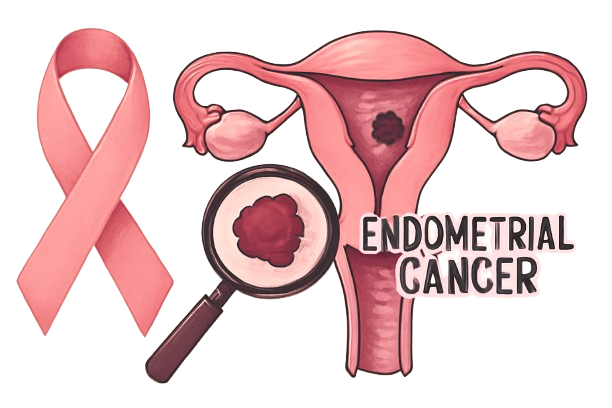
Symptoms of Endometrial Cancer
Unusual bleeding or spotting between periods or after menopause
Long, heavy, or frequent bleeding (especially in women over 40)
Thin white or clear vaginal discharge (postmenopausal women)
Lower abdominal or pelvic pain
A lump or mass in the lower abdomen
Difficulty or pain while urinating
Pain during sexual intercourse
Unexplained weight loss
Important: If you experience any of these symptoms, it's important to seek medical evaluation.
Diagnosis of Endometrial Cancer
Diagnostic steps may include:
Medical & family history review
Physical exam – checking for lumps or masses in the abdomen
Pelvic exam & Pap smear
Transvaginal ultrasound – imaging of the uterus and reproductive organs
Endometrial biopsy – taking a tissue sample from the uterus for examination
Dilation & Curettage (D&C) – removing part of the uterine lining for analysis
If cancer is confirmed:
Your doctor will assign a cancer stage, which describes:
- How far the cancer has spread (metastasis)
- Tumour size and aggressiveness
- Grading system (letters and numbers) to classify severity
Key Point: Early detection significantly improves treatment success.
Treatment for Endometrial Cancer
Treatment Options
Treatment depends on factors such as stage, tumour size, and cancer type.
A gynaecological oncologist may recommend:
Surgery
Often the first-line treatment to remove the uterus (hysterectomy), sometimes including ovaries and fallopian tubes.
Radiation Therapy
High-energy rays used to target and destroy cancer cells.
Chemotherapy
Anti-cancer drugs that destroy or slow cancer cell growth.
Hormone Therapy
Medicines that block or lower hormones fueling cancer growth.
Combination Therapy
A tailored mix of treatments for the best results.
Personalised Care: Every treatment plan is customised to provide the best outcome for your health and recovery.
Need More Information?
If you have concerns about any symptoms or need personalised medical advice, please consult with a healthcare professional.