Understanding Postmenopausal Bleeding
What it is, causes, and why it's important to get checked
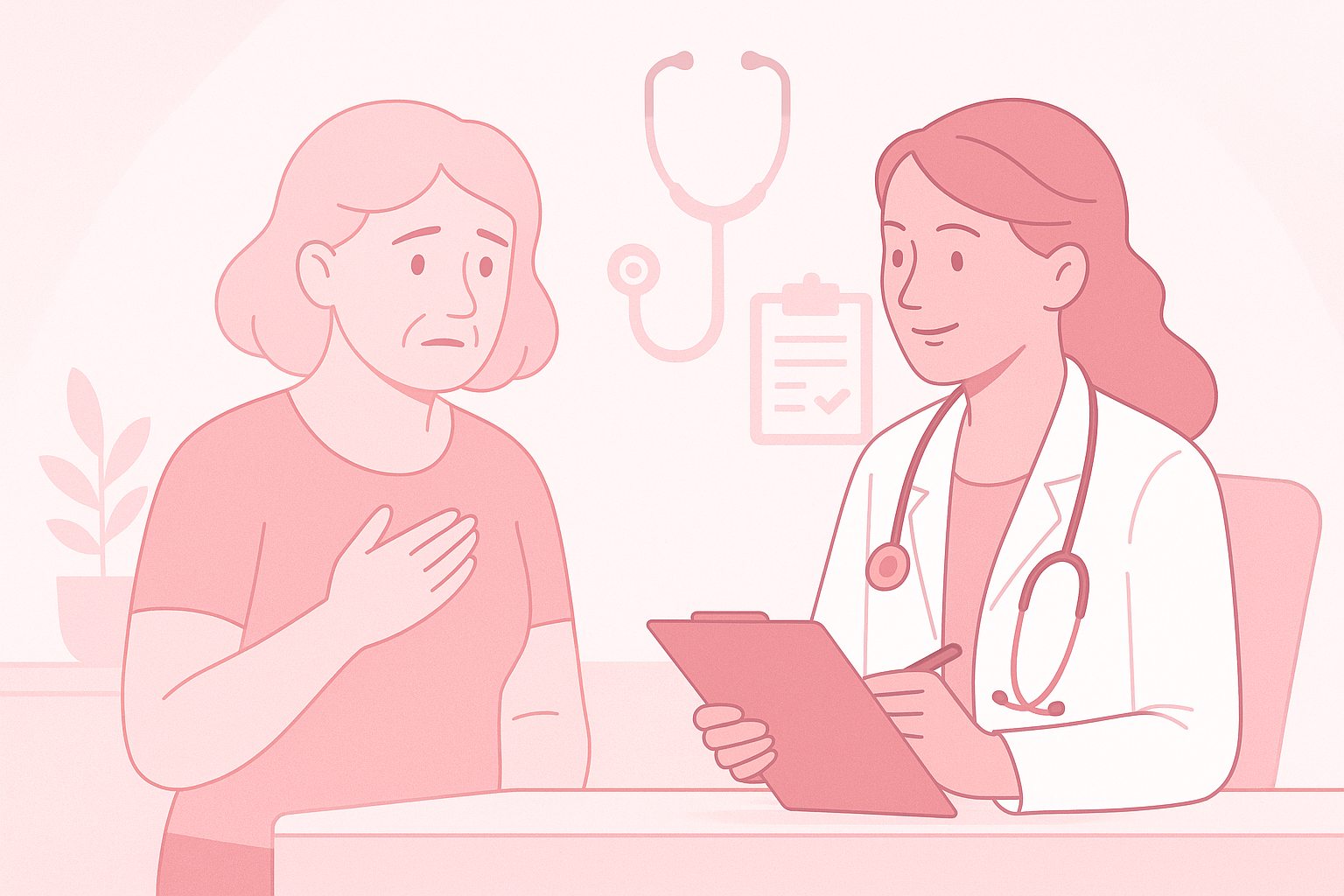
Postmenopausal bleeding is any bleeding from the vagina after menopause.
Key Facts:
- Menopause is confirmed once you have had no period for 12 months
- Any vaginal bleeding after this time is not normal and should always be checked
- Most causes are harmless, but sometimes bleeding can be a sign of cancer or other serious conditions
of postmenopausal women experience bleeding
cases may be linked to cancer
Most women are diagnosed with non-cancerous conditions, which is why prompt assessment is essential.
Causes of Postmenopausal Bleeding
Bleeding can range from light spotting or brown discharge to heavier, period-like bleeding.
- Endometrial (womb) cancer or uterine sarcoma
- Cervical or vaginal cancer
- Endometrial or vaginal atrophy
- Uterine fibroids or polyps
- Endometrial hyperplasia
- Infection of the womb lining
- Hormone therapy or tamoxifen
- Pelvic trauma
- Bleeding from urinary tract or rectum
Symptoms You Might Notice
Many women with postmenopausal bleeding have no other symptoms, but other symptoms may include:
- Vaginal dryness
- Decreased libido
- Insomnia
- Stress incontinence
- More frequent urinary tract infections
- Weight gain
Risk Factors
Knowing your risk helps encourage early checks and peace of mind.
- Age over 55
- Family history of endometrial, ovarian or breast cancer
- Obesity
- Taking tamoxifen or hormone replacement therapy (HRT)
- Polycystic ovary syndrome (PCOS)
- Diabetes or high blood pressure
These tests are usually quick and done as outpatient procedures.
Your doctor may ask about your medical history and perform a pelvic exam to assess abnormalities.
If you’re due for a cervical smear test, your doctor may perform this to check for cervical abnormalities.
Uses a small probe to view the ovaries, uterus and cervix. This helps assess the thickness of the womb lining and identify any structural abnormalities.
A thin camera is inserted through the cervix to view the womb lining directly. This allows for direct visualisation and tissue sampling if needed.
When to Seek Urgent Help
Don’t wait and see — it’s important to get checked straight away if you experience:
- Any vaginal bleeding after menopause
- Heavy bleeding or clots
- Bleeding with pelvic pain, fever, or foul-smelling discharge
- Unexplained weight loss, tiredness, or loss of appetite
• Postmenopausal bleeding can cause worry or fear of cancer
• Most causes are not serious
• Getting checked quickly can bring peace of mind and prompt treatment
• It's okay to bring a friend or ask for a chaperone at your appointment
• Most women get a clear answer within a few weeks
• If needed, your doctor will create a treatment plan and follow-up schedule
• You are not alone — support is available every step of the way
Remember
Any bleeding after menopause must be checked
Most causes are benign, but early diagnosis is vital
Prompt medical assessment saves lives
Don't wait and worry alone
If you notice postmenopausal bleeding, book an appointment right away.